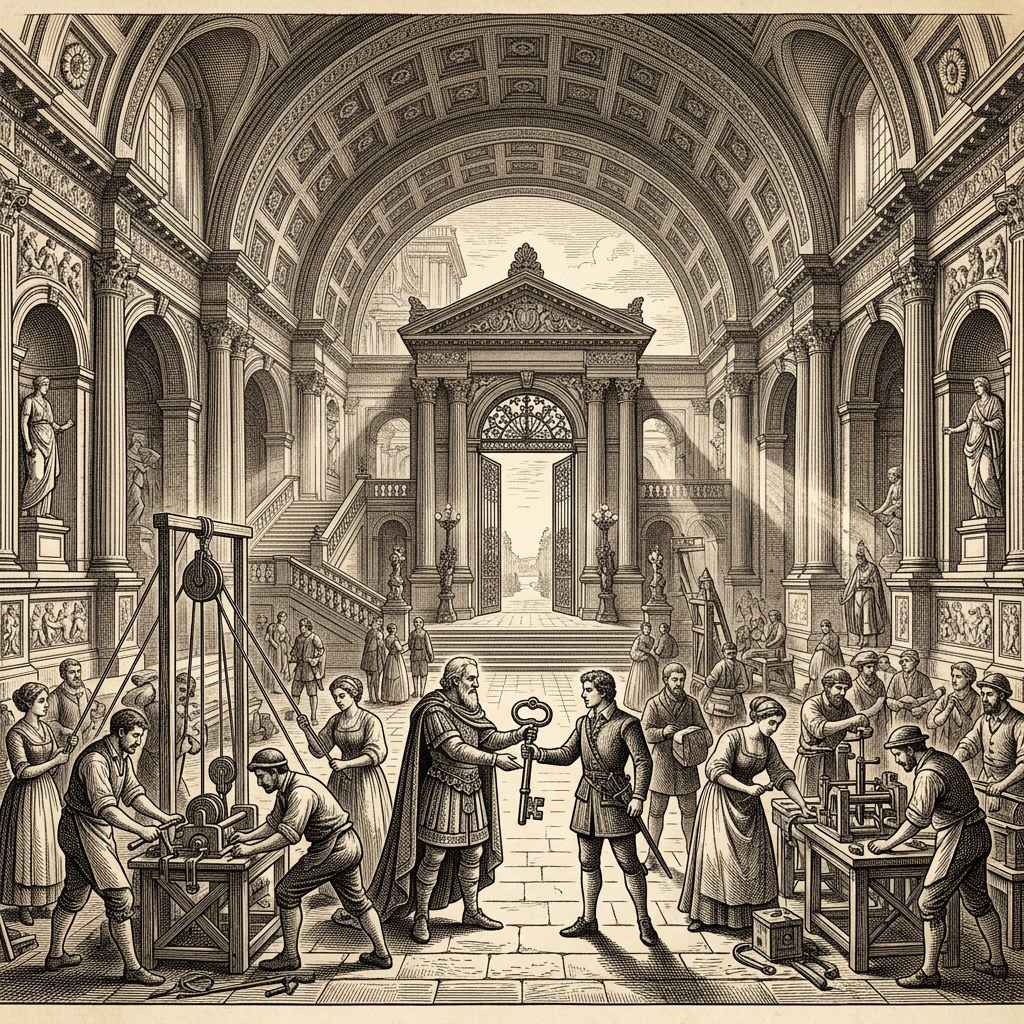
Building a Business That Runs Without You
You built your business from the ground up. It’s your pride and joy. Yet, here’s the stark truth: if your business can’t thrive without you, you’ll struggle to maximize its value at exit. Every day you remain indispensable is a day lost. A capable, self-sufficient team can be your best exit strategy.
The Dependency Trap
Many owners trap themselves in micromanagement. Studies show that businesses controlled solely by their founders often sell for lower multiples. Potential buyers see dependency as a risk. They worry: If you leave, will the business collapse?
So, what's at stake? A few million dollars lost overnight. The stark reality is that buyers pay for potential. If you are the linchpin holding everything together, that potential becomes a liability.
Transforming Your Mindset
Shift your focus from managing tasks to developing leaders. Invest in your team. Identify and cultivate emerging leaders who can take over key functions. Doing this reduces individual dependency and enhances team cohesion.
A study from Harvard Business Review revealed that companies with high leadership training saw a revenue increase of up to 30%. Empowering your team intuitively boosts business performance, making it an attractive investment for buyers.
Smart Delegation: It's Not Just Giving Tasks Away
Delegation isn’t just offloading work; it’s about transferring ownership of outcomes. Encourage your managers to make decisions. Define clear responsibilities but let them own their roles. Gradually, they will build confidence. As they thrive, your business will too.
Have you considered creating a decision-making framework? Define guidelines that empower your team to act, making them feel capable and responsible. This leads to smoother operations and strengthens your exit position.
Crafting a Succession Plan
A clear succession plan doesn’t just signal readiness to buyers; it establishes business resilience. An effective plan considers the people, processes, and legacy of your business. Bring your team into the fold: involve them in discussions about future leadership and strategy.
Your team should understand not only the what but also the why behind the business processes. When they are engaged in this journey, they’re motivated to contribute. Owners often underestimate how much commitment grows within a well-informed team.
Performance Metrics: Measure, Review, Refine
Implement performance metrics that align with company objectives. Metrics highlight progress and help in continuous improvement. A consistent review protocol reassures your team that their contributions matter. Adapt in real time based on what you learn. Every metric is a pulse check on your business.
Prospective buyers value businesses with documented results. Show them you’re running a well-oiled machine, not just a passionate venture.
The Exit Mindset
Think of your exit not as a finish line, but as a transition point. Empowering your team fosters a legacy that continues beyond your active involvement. Buyers seek businesses that operate independently. By investing in your workforce, you increase the valuation of your company substantially. Every time you step back, you elevate the value.
As you transition your mindset, reconsider your role. You should become the visionary, guiding your team while they execute.
Your Next Steps
This process won’t happen overnight but starts with a single decision: empower your team. Identify key players, delegate wisely, and instill confidence. In the end, your exit will come not from what you’ve built alone, but from a thriving culture of effectiveness that continues without you.
When your team is set to succeed, your business blossoms into an attractive opportunity. It’s time to transform anxiety into assurance. Begin today — you’ve earned it.
Empower yourself, and your business to exit successfully. Want to learn more about tailoring your exit strategy? Contact us now.